



COLORBOND® steel wall cladding is used on residential home exteriors, feature walls, sheds, garages, commercial facades, and industrial buildings all across Australia. It is low maintenance, available in all 22 standard colours, and can be cut to your exact length.
Product Categories

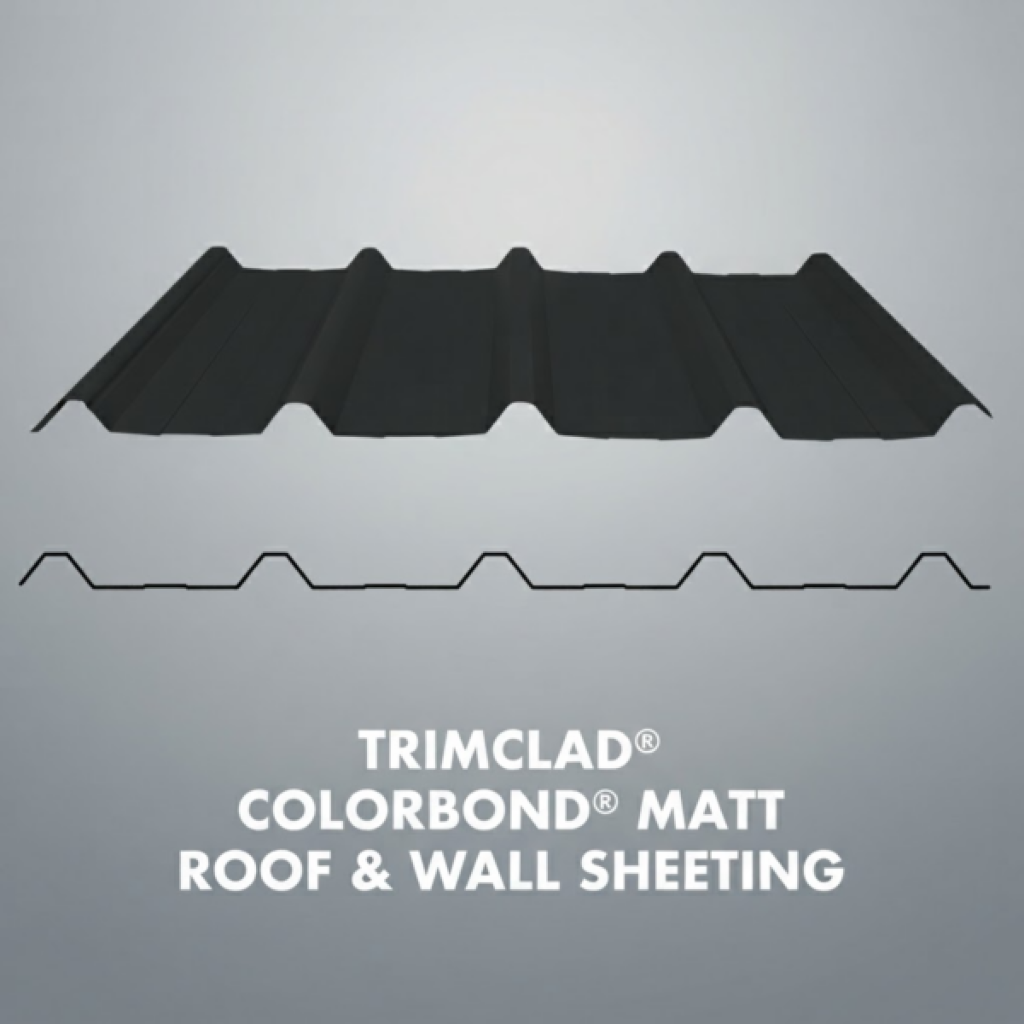
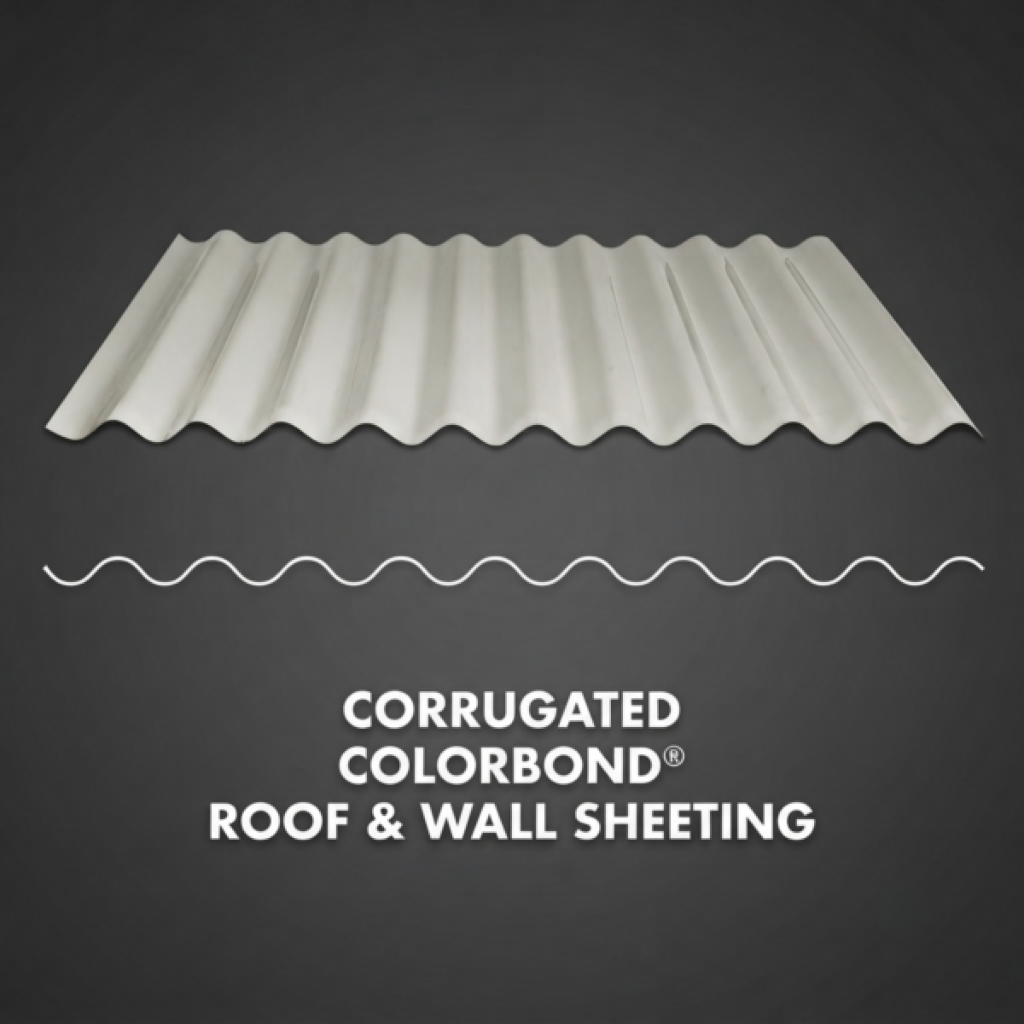
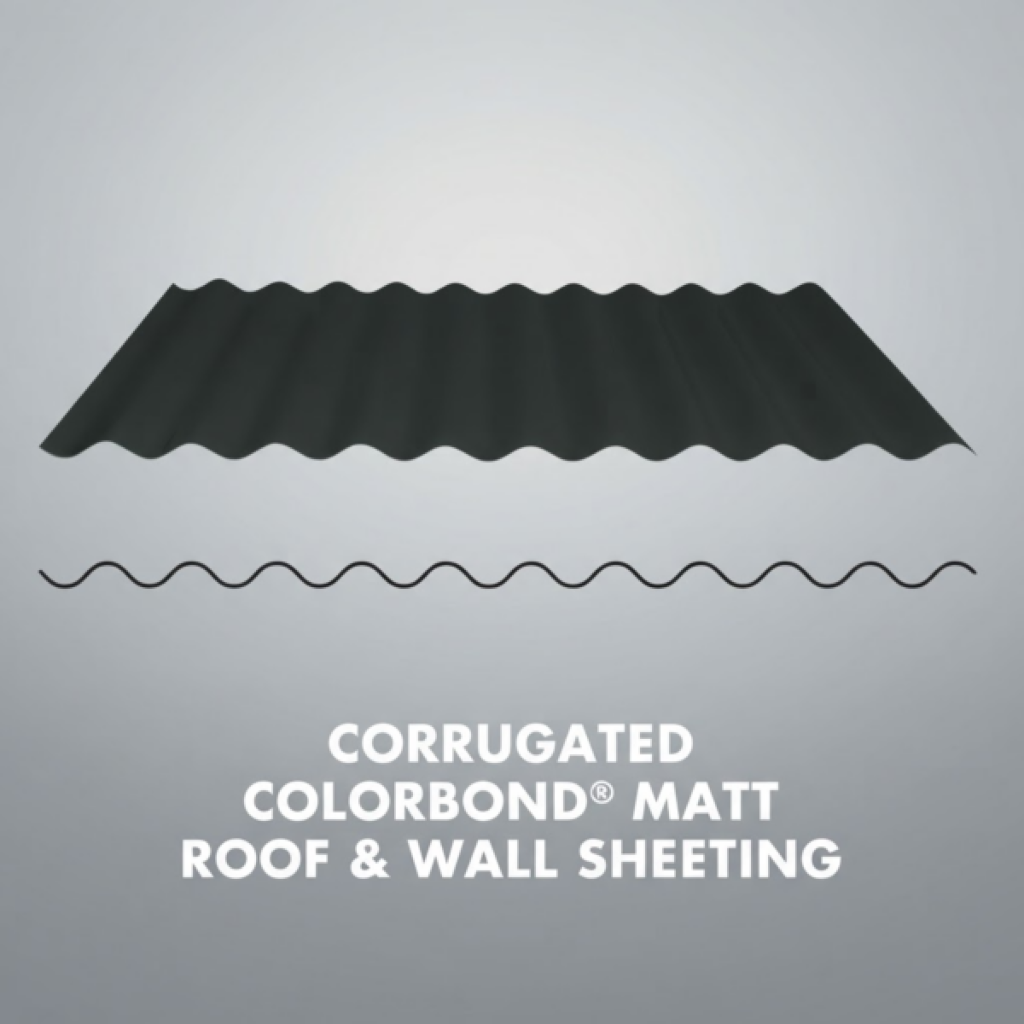
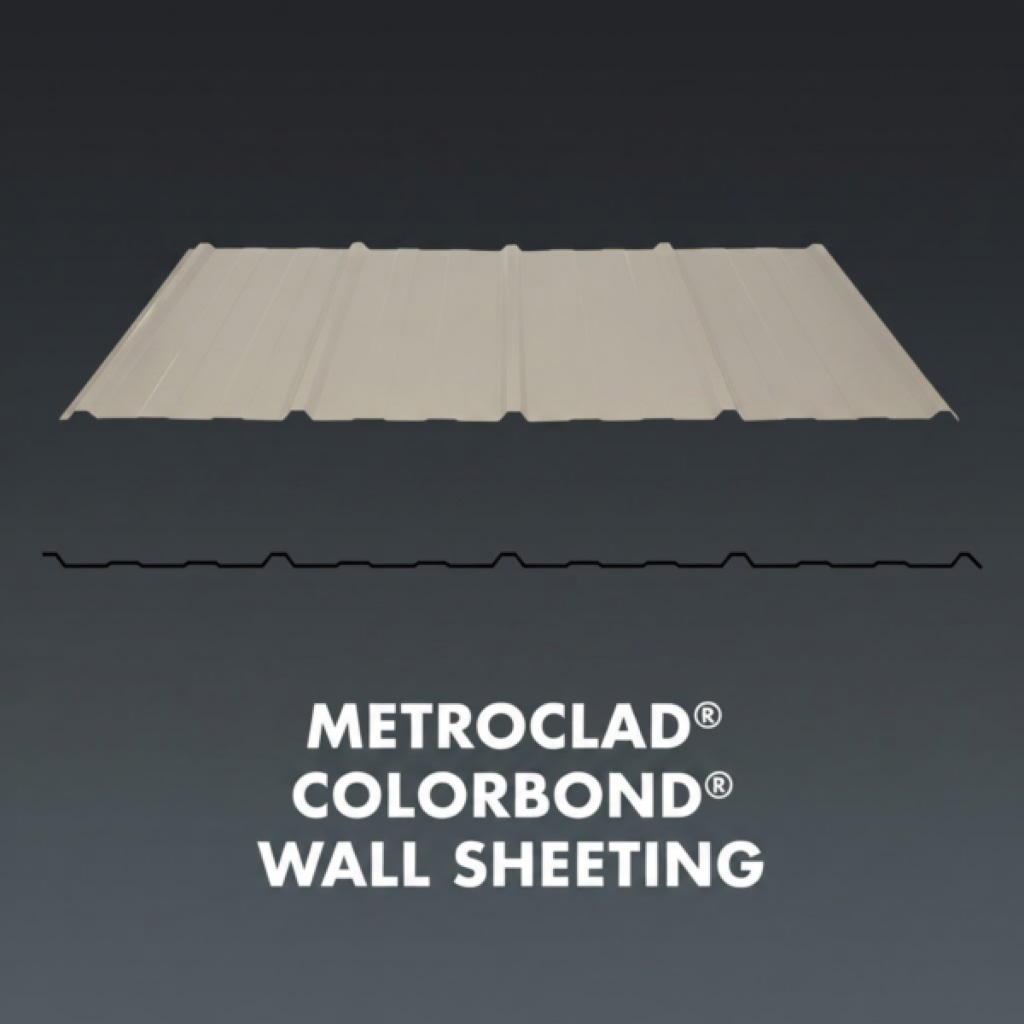
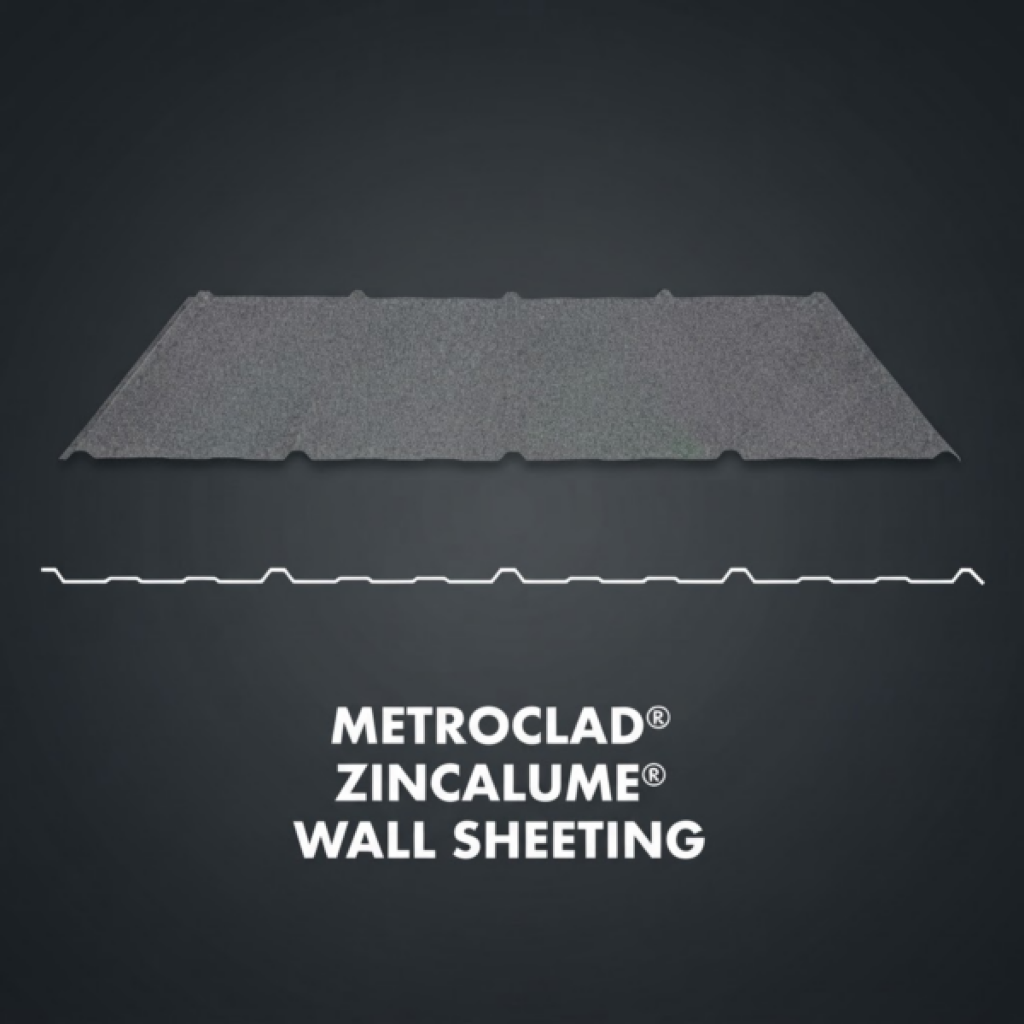
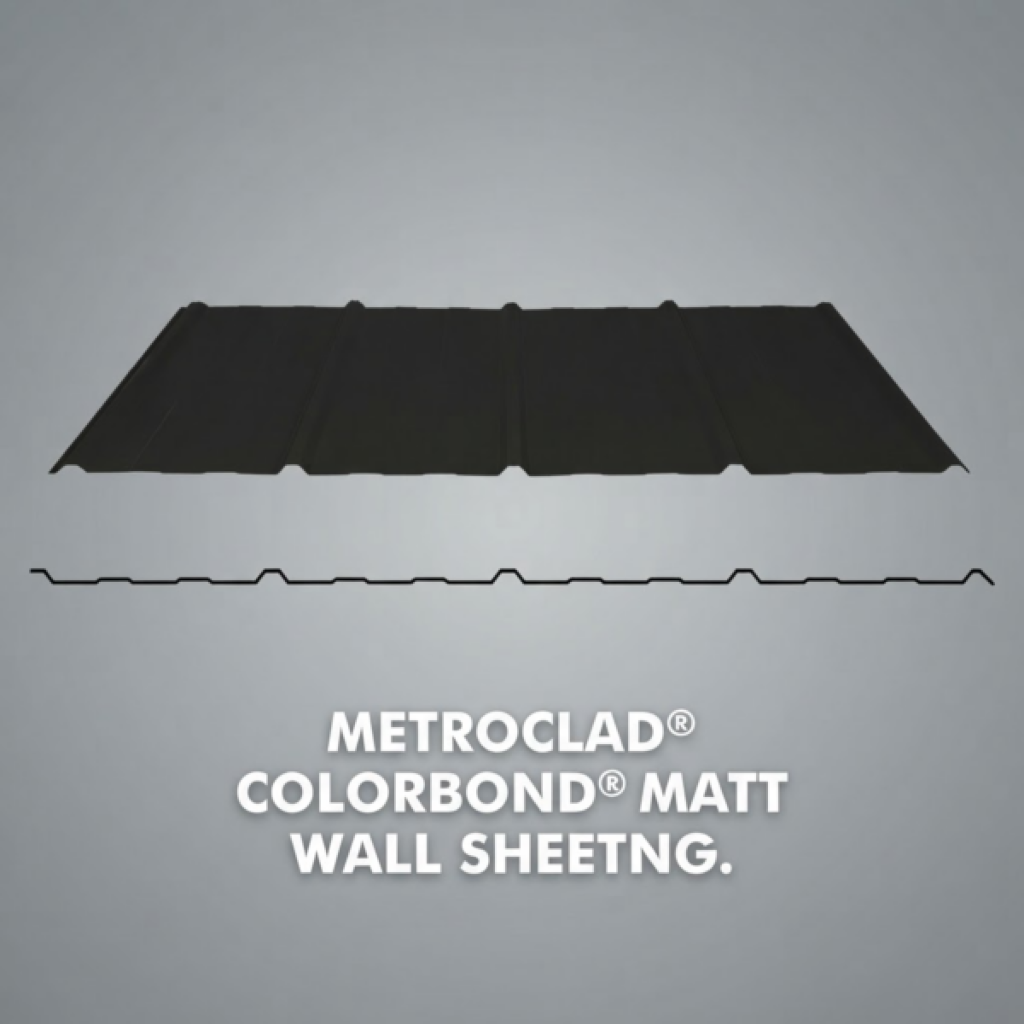
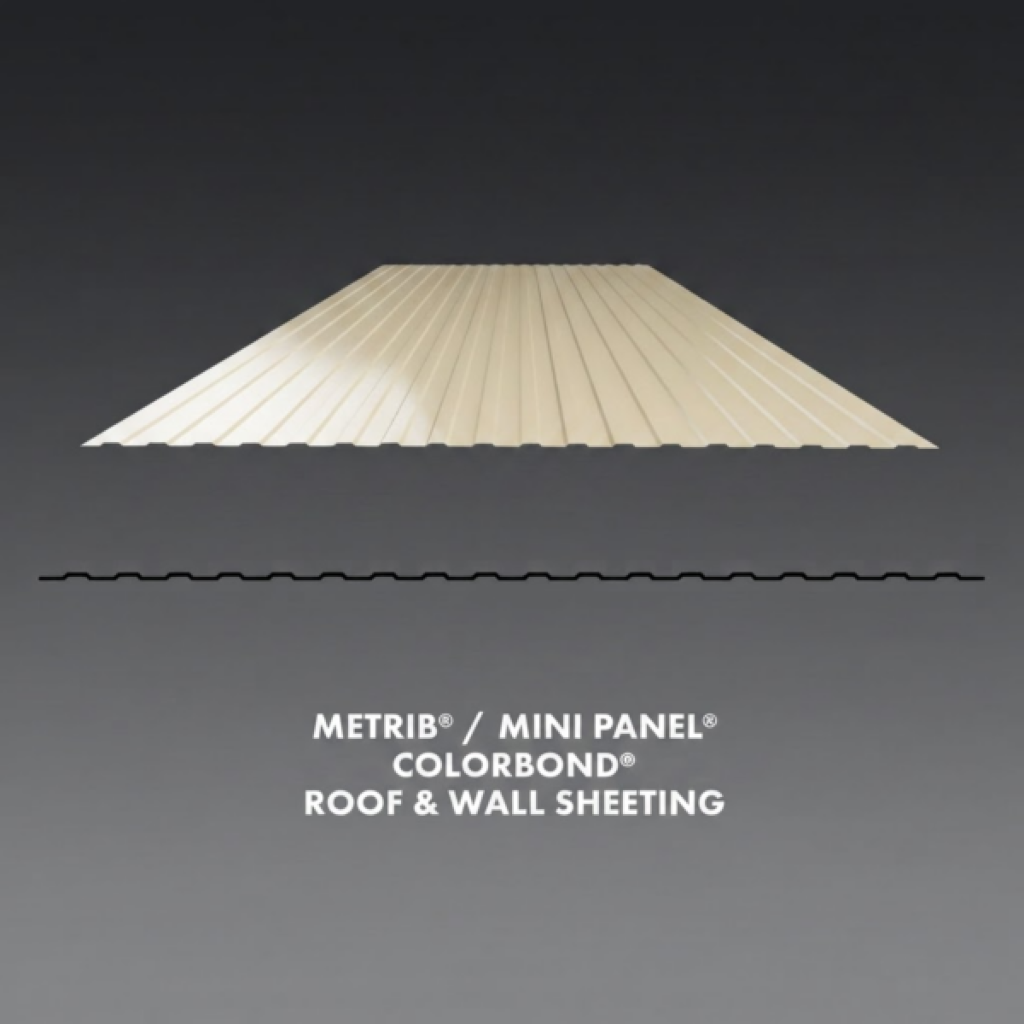
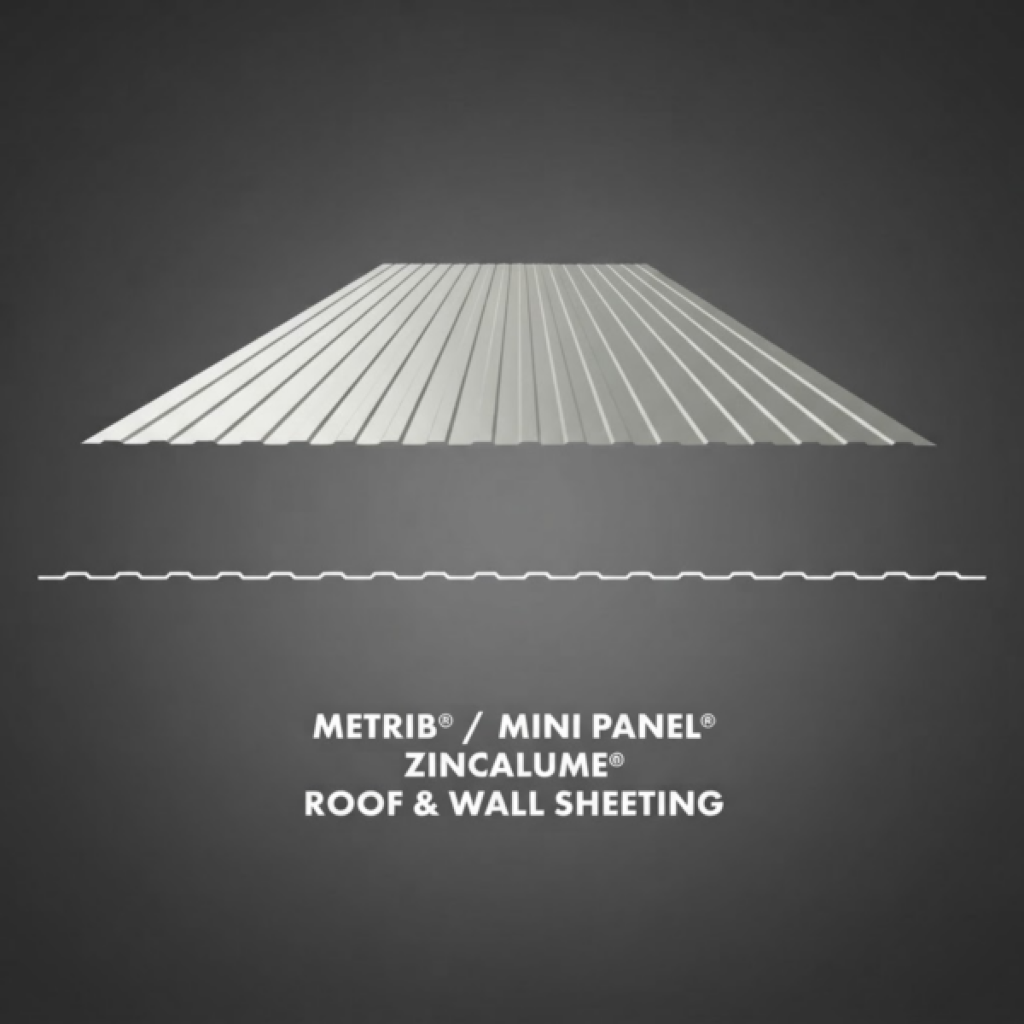
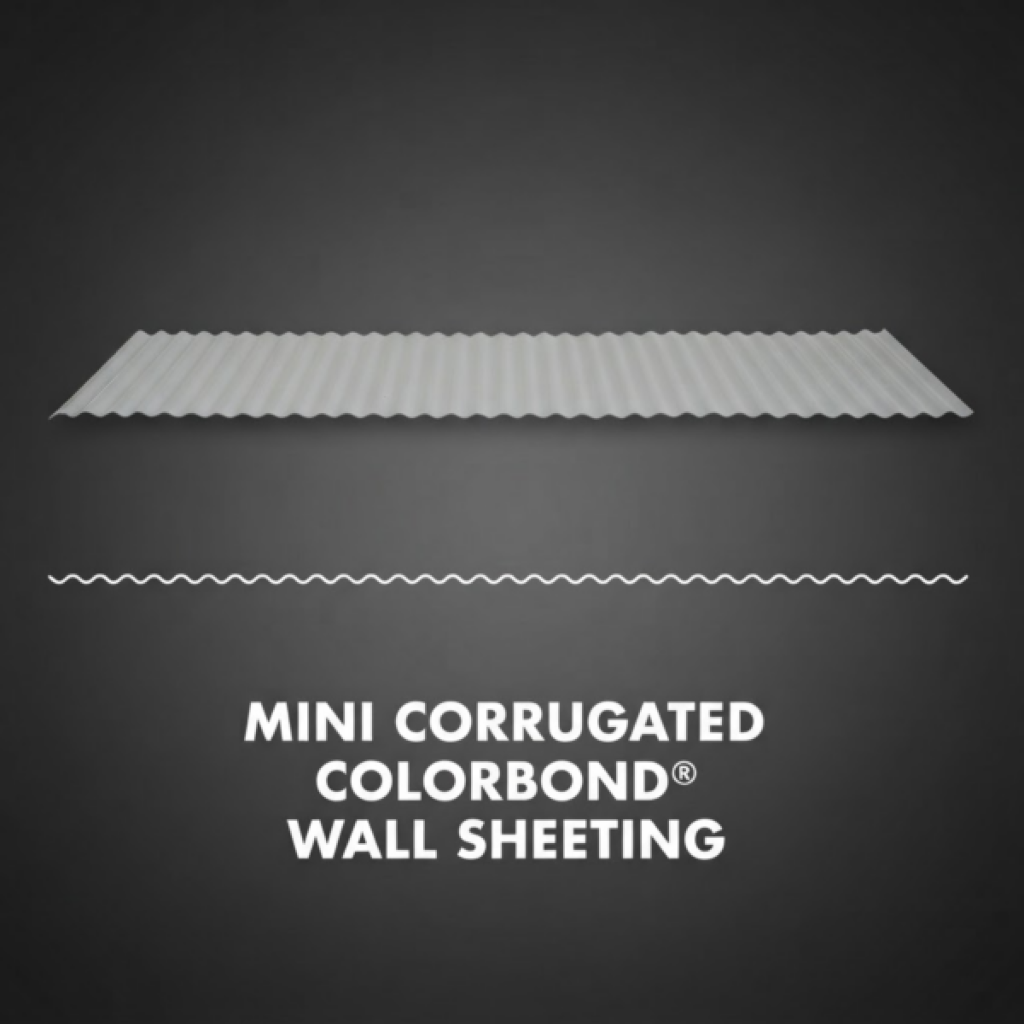
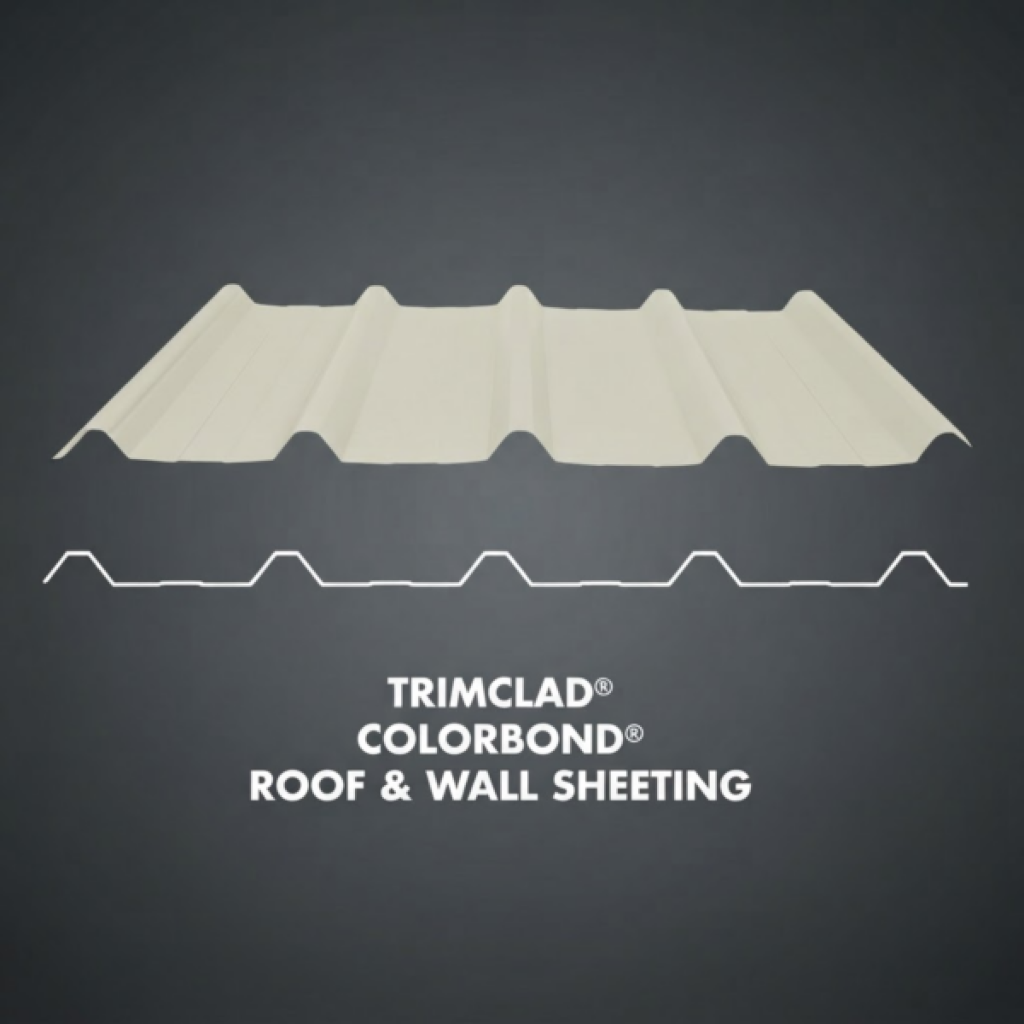
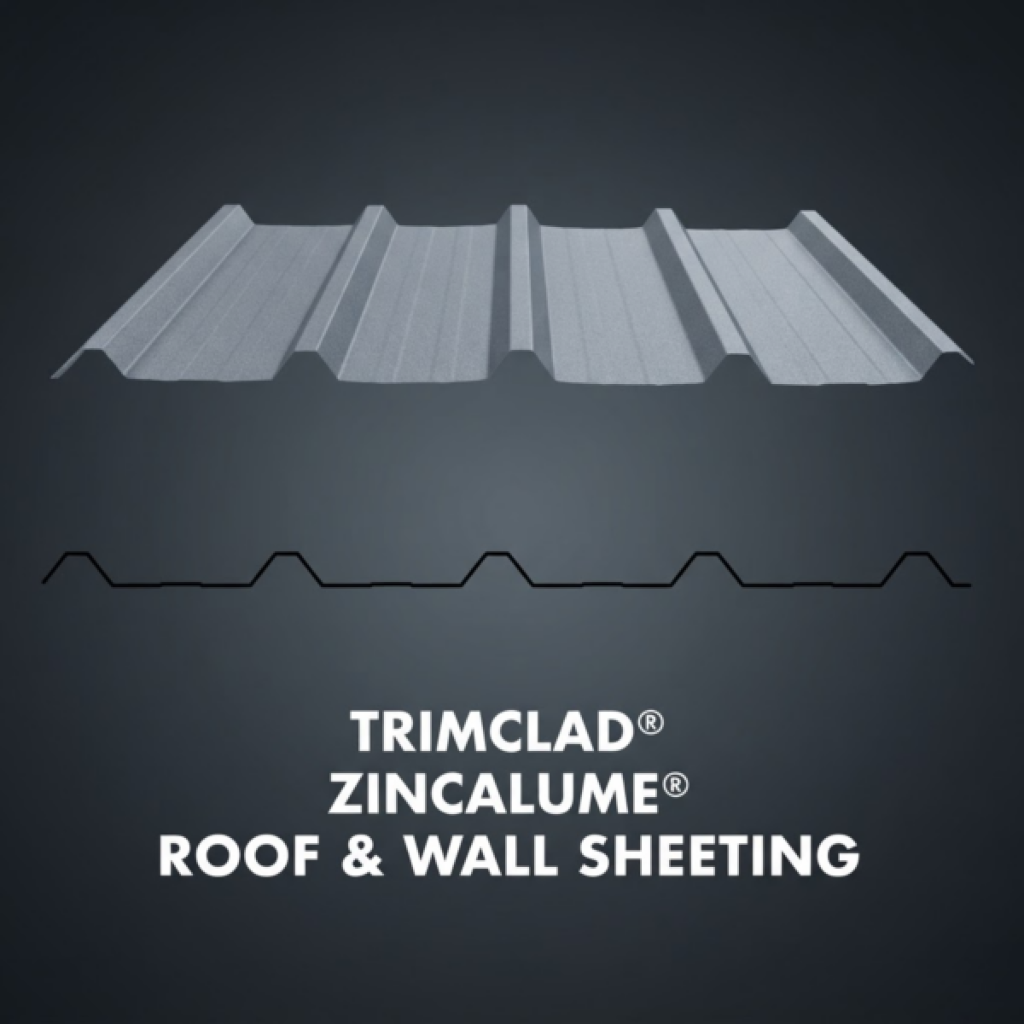
Wall Cladding Profiles Available at ClickSteelChoosing the right profile comes down to the look you want, the application, and whether you are installing horizontally or vertically.Trimclad® (Trimclad / Trimdek): A low-rib trapezoidal profile with clean, modern lines. The most popular choice for residential feature walls and contemporary home exteriors. Suits both horizontal and vertical installation. Effective coverage: 762mm per sheet. Shop Trimclad® wall cladding.Corodek® (Corrugated): The classic Australian corrugated profile, equally at home on roofs and walls. Most commonly installed vertically on sheds, farm buildings, and rural structures. Can also be used horizontally for a more textured contemporary look. Effective coverage: 762mm per sheet. Shop Corodek® Corrugated wall cladding.Metroclad®: A low-rib, wide-coverage walling profile suited to rural, commercial, and domestic applications. Popular for garage doors, screens, soffits, fascia, and facade work. Wide effective coverage makes it efficient to install over large wall areas. Shop Metroclad® wall cladding.Metrib®: A subtle low-flute profile that works on both interior and exterior walls, straight or curved surfaces, and in horizontal or vertical directions. Often used for sheds, portable buildings, internal wall linings, bus shelters, soffits, and feature walls where a finer ribbed texture is preferred. Shop Metrib® wall cladding.Mini Corodek®: A designer cladding profile with the same corrugated shape as Corodek® but with smaller, more refined ridges. Suited to feature walls, soffits, ceilings, screens, partitions, and decorative applications. Can be applied straight or curved. Not intended as a roofing material. Shop Mini Corodek® wall cladding.Horizontal vs Vertical InstallationBoth orientations are widely used, and the choice is mostly visual:
  • Horizontal installation gives a modern, elongated appearance similar to weatherboard. Popular on residential homes, feature walls, and contemporary builds. Trimclad® and Metrib® are the most common profiles for horizontal runs.
  • Vertical installation is the traditional approach for sheds, barns, and rural buildings. Corrugated profiles like Corodek® are most commonly installed this way. Vertical runs also simplify drainage on exterior walls.
Both orientations require flashings at all junctions including the base, corners, and around window and door openings.Flashings and AccessoriesFlashings are required on any COLORBOND® wall cladding installation to prevent water getting behind the sheets at vulnerable points. ClickSteel supplies a full range of COLORBOND® flashings in matching colours, including:
  • Base flashings
  • Internal and external corner flashings
  • Window and door head and sill flashings
  • Barge and trim flashings
Ordering your flashings in the same colour as your cladding gives a clean, seamless finish from top to bottom.How to Work Out How Much Cladding You NeedMeasure the total wall area you are cladding in square metres (width multiplied by height for each wall section). Divide this by the effective coverage width of your chosen profile in metres. Add 5 to 10 percent for overlaps, trimming, and waste.Not sure about quantities? The ClickSteel team can help you confirm how much to order based on your dimensions before you commit.Why Choose COLORBOND® for Wall Cladding?
  • No painting, sealing, or retreating ever required.
  • Available in all 22 standard COLORBOND® colours, matching your roof or fencing.
  • Five-layer paint system engineered for Australian UV, heat, and coastal conditions.
  • Non-combustible steel surface. (confirm BAL requirements with your certifier)
  • Custom cut lengths available, no on-site cutting waste.
  • Lightweight and straightforward to install, suitable for DIY on standard projects.
  • Suits both new builds and renovation or reclad projects.

Serving Sydney, Brisbane & the Sunshine Coast

No matter where you’re located, ClickSteel makes it easy to find and order premium Colorbond wall cladding. We proudly supply customers across Sydney, Brisbane, and the Sunshine Coast, offering high-quality steel wall cladding solutions designed to withstand Australia’s diverse climate.

Recommended FAQs

Q: What is the most popular COLORBOND® wall cladding profile? A: Trimclad® is the most widely used profile for residential and light commercial wall cladding. It has a clean, low-rib trapezoidal appearance and works well installed horizontally or vertically. Corodek® corrugated is the standard choice for sheds, rural buildings, and agricultural structures.Q: Can COLORBOND® wall cladding be installed horizontally? A: Yes. Trimclad® and Metrib® are both commonly installed horizontally, giving a modern weatherboard-like finish on residential walls. Corrugated profiles like Corodek® are more often run vertically, though horizontal installation is possible. Both orientations require appropriate flashings at all junctions.Q: Do I need flashings with COLORBOND® wall cladding? A: Yes, flashings are required at all vulnerable junctions including the base of the wall, internal and external corners, and around windows and doors. They prevent water getting behind the sheets and are a critical part of any cladding installation. ClickSteel supplies COLORBOND® flashings in all matching colours.Q: Is COLORBOND® wall cladding fire resistant? A: COLORBOND® steel is a non-combustible material. For projects in bushfire attack level (BAL) zones, confirm the specific requirements for your BAL rating with your building certifier before specifying a product. COLORBOND® steel is accepted in many BAL applications but requirements vary by location and design.Q: Can I order wall cladding to match my existing roof colour? A: Yes. All profiles are available across the full 22-colour COLORBOND® range, the same palette used for roofing, fencing, and guttering. If you are trying to match an existing installation, check the colour name on your current product or contact ClickSteel for help confirming the right match before ordering.Q: How do I calculate how much wall cladding I need? A: Measure the total wall area in square metres (width multiplied by height for each section). Divide by the effective coverage width of your chosen profile. Add 5 to 10 percent for overlaps and waste. The ClickSteel team can help you confirm quantities if you send through your wall dimensions.Q: Can I install COLORBOND® wall cladding myself? A: Yes, for standard single-storey projects. Panels are lightweight, pre-cut to your specified length, and fixed with self-drilling screws. For multi-storey or complex projects, or anywhere that requires working at height, a licensed trade professional is recommended. Always follow the manufacturer’s installation guidelines.Q: Does ClickSteel deliver wall cladding Australia-wide? A: Yes. ClickSteel delivers from warehouses in WA, SA, NSW, VIC, and QLD. Most wall cladding orders arrive within 5 to 10 business days depending on your location. Click & Collect is also available from ClickSteel locations in each state.

How much does Colorbond wall cladding cost?

COLORBOND wall cladding pricing depends on the profile, base metal thickness, colour, girth and length ordered, since sheets are cut to length and priced per metre rather than at a flat rate. Options on this page include COLORBOND steel METROCLAD Wall Cladding, COLORBOND steel TRIMCLAD Roof Sheeting and COLORBOND steel Corrugated Roof Sheeting – Corodek, each with its own current per metre pricing shown on the product page. ZINCALUME finishes such as ZINCALUME Wall Cladding Metroclad are generally a lower cost alternative to painted COLORBOND colours for the same profile. Check the live pricing on the specific product and length you need for an accurate figure.

How do I install Colorbond wall cladding?

Wall cladding such as COLORBOND steel METROCLAD Wall Cladding or COLORBOND Cladding Metrib is generally fixed to a wall frame with battens or girts behind it, either screwed through the pan for exposed fastener profiles or via concealed clips depending on the profile chosen. Sheets are worked across the wall with correct overlap, and flashings are added at corners, openings and the top and bottom edges to keep water out. COLORBOND steel Corrugated Roof Sheeting – Corodek and COLORBOND steel TRIMCLAD Roof Sheeting both follow similar principles when used as wall cladding rather than roofing. ClickSteel supplies the cladding materials cut to length, with your builder or installer carrying out the fixing.

Do you need an air gap behind cladding?

A ventilation cavity behind metal wall cladding is generally recommended and, on many builds, required, to let any moisture that gets past the cladding dry out rather than sit against the frame. This applies to profiles on this page such as COLORBOND steel METROCLAD Wall Cladding and COLORBOND Cladding Metrib when fixed over battens or girts rather than directly to a solid substrate. The specific cavity requirement depends on the wall system, climate zone and the National Construction Code provisions that apply to your build. Confirm the exact detailing required with your builder or building surveyor, since requirements vary by location and wall construction.

How many years does metal cladding last?

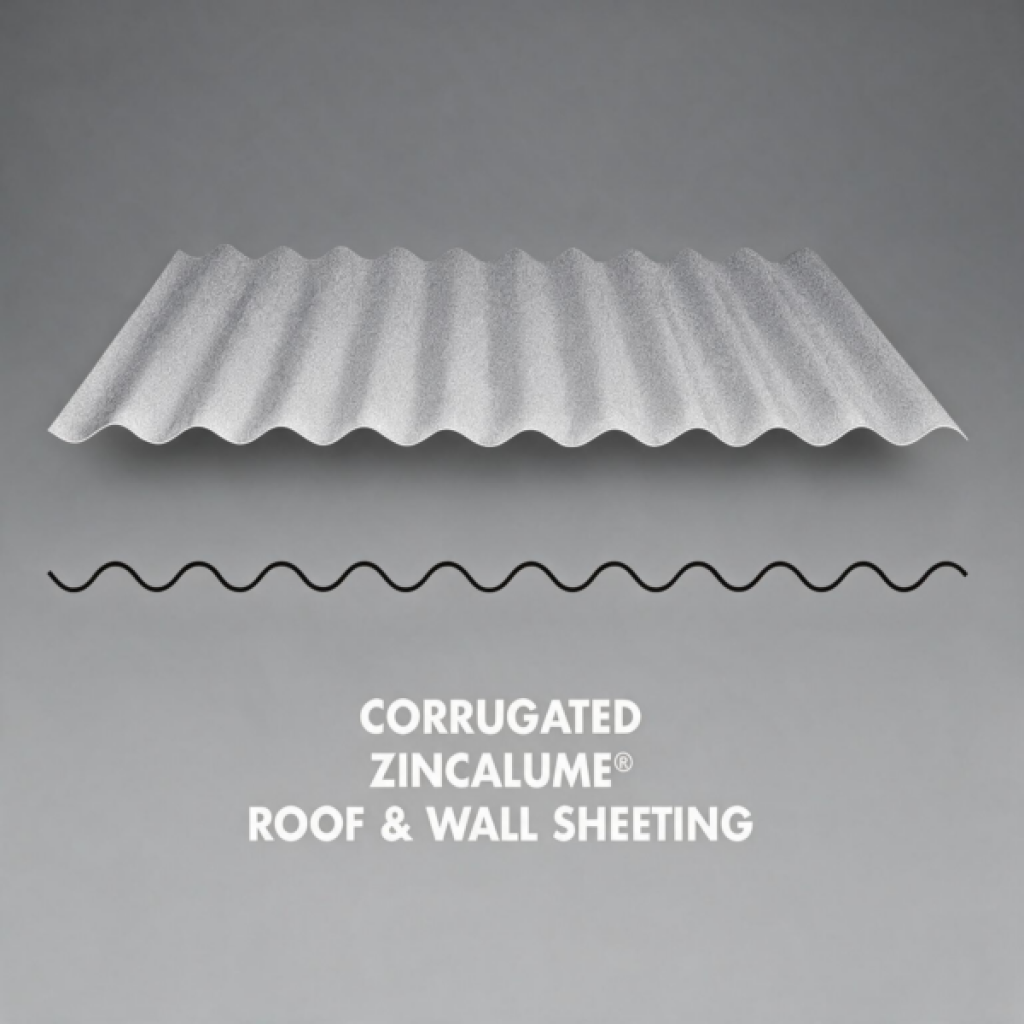
COLORBOND steel wall cladding is generally warranted for several decades of service, with published periods commonly extending to around 36 years for roofing use in typical non-marine environments, and cladding performing similarly under the same conditions. COLORBOND steel METROCLAD Wall Cladding and COLORBOND steel TRIMCLAD Roof Sheeting both carry this level of expected durability when installed and maintained correctly. ZINCALUME options such as ZINCALUME Corrugated Roof Sheeting have their own separate warranty terms as an uncoated finish. Actual service life depends heavily on distance from the coast and how well the cladding is maintained, so check the current warranty documentation for the specific product.

What are the Australian standards for wall cladding?

Metal wall cladding in Australia is primarily governed by AS 1562.1 for design, fixing and wind load requirements, along with AS/NZS 2728 for the coating classification of pre-painted steel products like COLORBOND steel. Products on this page, including COLORBOND steel METROCLAD Wall Cladding, COLORBOND steel TRIMCLAD Roof Sheeting and COLORBOND steel Corrugated Roof Sheeting – Corodek, are manufactured to meet these product standards. The specific requirements that apply to your project, including corrosion category and any local conditions, should be confirmed with your local council or building surveyor since rules vary by location. Your installer should also follow the manufacturer’s current fixing tables for the profile chosen.

What is the best type of cladding for outside walls?

The best external wall cladding depends on the look you want and the site’s corrosion category. This page offers several COLORBOND steel options including COLORBOND steel METROCLAD Wall Cladding for a five-rib trapezoidal look, COLORBOND Cladding Metrib for a finer, more contemporary rib line, and COLORBOND steel Corrugated Roof Sheeting – Corodek for a traditional wave profile. ZINCALUME Wall Cladding Metroclad and ZINCALUME Corrugated Roof Sheeting offer the same profiles in an uncoated finish if you prefer the natural steel look. For coastal or marine sites, check the corrosion rating of the specific finish against your distance from the coast before choosing. 
Flat Rate Shipping
Fast & Easy Delivery
100% Secure Checkout