Insulation is common practice in building projects of today as it offers a wide range of benefits.
Product Categories

Categories

Insulation plays a vital role in the performance of your roofing system, helping regulate indoor temperatures, reduce energy costs, and minimise noise. Our range of COLORBOND® steel insulation products is designed to pair seamlessly with metal roofing systems, ensuring both comfort and protection for your home or building.

From reflective foil wraps and sarking to under-roof insulation blankets, every product in this collection is chosen for its effectiveness in Australian climates. Whether you’re building a new home or retrofitting an existing structure, quality insulation is key to long-term energy efficiency.

Benefits of Our Insulation Range:

  • Helps reduce heat transfer and energy bills year-round

  • Improves acoustic performance by dampening roof noise

  • Compatible with COLORBOND® steel roofing profiles

  • Available in a range of formats for different roof types and applications

  • Designed for both residential and commercial projects

Looking for more ways to optimise your roofing system? Browse our full COLORBOND® Steel Roofing Accessories range for everything you need to build smarter, from vents to fasteners and more.

What type of insulation is best for a roof?

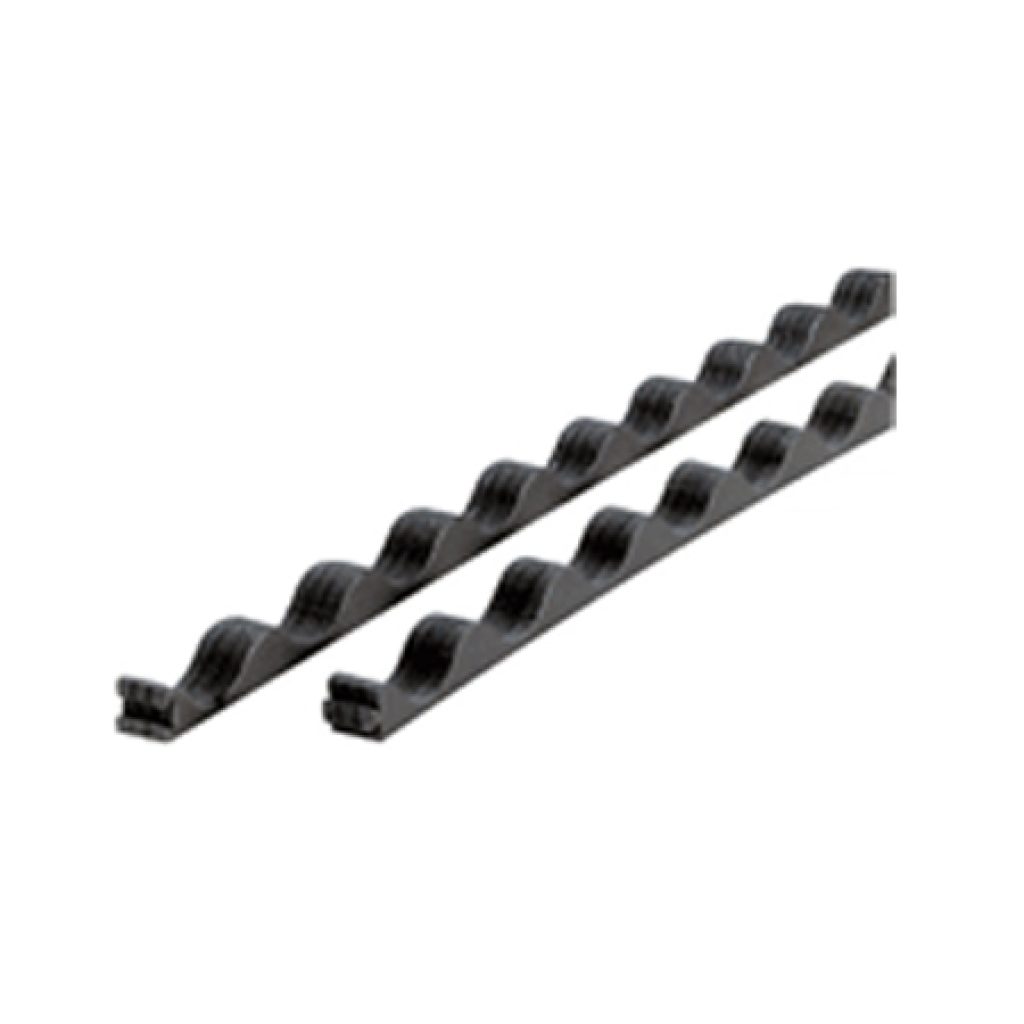
For a COLORBOND steel roof, reflective foil-faced blanket insulation fitted under the sheeting during installation is the most common and effective choice, since it reflects radiant heat and cuts condensation risk in the roof space. ClickSteel’s 55mm Light Duty Eco Tuff Blanket, covering 18m2 per 15m roll, is designed for exactly this application, sitting between the batten and the sheeting. Pairing insulation with proper eaves detailing, using products like the Corodek Eaves Filler Strips 915mm Long or METLOK 700 Eaves Filler Strips Bottom 700 Long, closes off pest and airflow gaps at the eaves line without blocking ventilation. The right choice ultimately depends on your roof profile, climate zone and whether you need a specific R-value for compliance.

What are the four types of roof insulation?

The four broad categories are bulk insulation (batts or blankets that trap air for thermal resistance), reflective insulation (foil-faced material that reflects radiant heat, such as the 55mm Light Duty Eco Tuff Blanket), composite or combination insulation that blends both approaches, and rigid board insulation used mainly in commercial roofing. Residential COLORBOND steel roofs in Australia most commonly use reflective blanket insulation fitted directly under the roof sheeting. Sealing details around the roof, such as Corodek Eaves Filler Strips 915mm Long or Metrospan Eaves Filler Strips 700mm Long at the eaves, work alongside the insulation to control airflow and keep pests out. The best type for your roof depends on climate, budget and the R-value your build needs to meet.

How thick should roof insulation be?

Roof blanket thickness is chosen to hit the R-value your climate zone and building code require, and 55mm is a common thickness for residential sheds, garages and outbuildings, as supplied in ClickSteel’s 55mm Light Duty Eco Tuff Blanket, which covers 18m2 per 15m roll. Thicker blankets or additional layers may be specified for habitable spaces or colder climate zones where a higher R-value is mandated. The blanket sits between the batten and the roof sheeting, so batten depth needs to accommodate the thickness chosen. Check the National Construction Code’s insulation requirements for your specific building class and climate zone before settling on a thickness.

Are roof blankets worth it?

Yes, reflective roof blankets are a low-cost way to cut summer heat gain, reduce winter heat loss and manage condensation under a metal roof, and the material and install cost is small compared to the energy savings over the life of the building. The 55mm Light Duty Eco Tuff Blanket, covering 18m2 per 15m roll, is a straightforward product for sheds, garages and outbuildings where comfort and moisture control both matter. Blanket insulation also acts as a sound dampener against rain noise on a metal roof, which is a bonus most people don’t expect. For anything more than a basic shed, it is generally worth the modest extra cost at build time.

How do I install a roof insulation blanket?

Roof blanket insulation is rolled out over the battens before the roof sheeting goes on, with the reflective face oriented as the manufacturer specifies and the blanket kept taut so it doesn’t sag between battens. The 55mm Light Duty Eco Tuff Blanket, covering 18m2 per 15m roll, is fitted this way, with joins overlapped and taped using something like Double Sided Tape Roll 24mm X 23m to keep the reflective surface sealed and continuous. At the eaves, Corodek Eaves Filler Strips 915mm Long or METLOK 700 Eaves Filler Strips Bottom 700 Long close the gap between blanket, batten and sheeting without blocking airflow. Roof sheeting is then screwed down over the top, taking care not to compress the blanket at the fixing points.

Does a roof blanket stop condensation?

A reflective roof blanket significantly reduces condensation risk by creating a thermal break between the cold roof sheeting and the warmer roof space below, which is where condensation forms when warm moist air meets a cold metal surface. The 55mm Light Duty Eco Tuff Blanket, covering 18m2 per 15m roll, is fitted directly under the sheeting for this purpose. Sealing laps properly, using Double Sided Tape Roll 24mm X 23m at the joins, keeps the anti-condensation layer continuous rather than leaving gaps where moisture can still get through. It won’t eliminate condensation entirely in every climate, but it is the standard first line of defence under a metal roof.

Do you need an air gap under a metal roof?

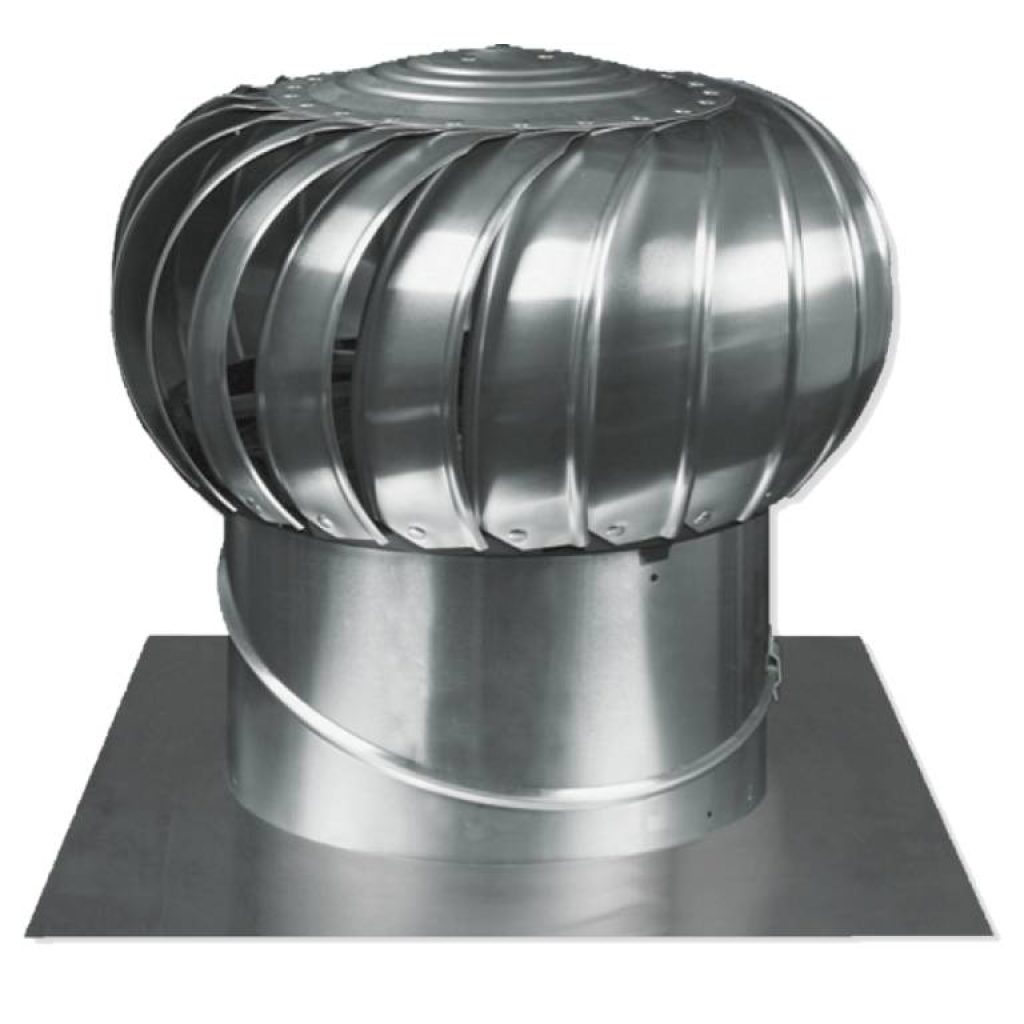
Yes, an air gap between the underside of the roof sheeting and any insulation or ceiling below helps the roof breathe, prevents trapped moisture and reduces heat build-up, and it’s why roof battens are used to lift the sheeting clear of the blanket rather than compressing it flat. The 55mm Light Duty Eco Tuff Blanket, covering 18m2 per 15m roll, is designed to sit in that gap rather than fill it completely. Ventilation at the ridge or through a fitting like the Rotary Ventilator 300mm helps air actually move through that gap instead of sitting stagnant, and eaves filler strips such as the METLOK 700 Eaves Filler Strips Top 700 Long close the entry point without sealing off airflow completely. Get the balance between sealing and ventilating right and the roof space stays dry year-round.
Flat Rate Shipping
Fast & Easy Delivery
100% Secure Checkout