Colorbond Flashings
Find the right Colorbond Flashings for your roofing project, with options to suit different sizes, colours, profiles, and installation needs. Our Colorbond Flashings range includes custom cut lengths for neat, weather-resistant finishes. Shoppers often choose these products for durability and easy installation, and appreciate
fast delivery across Australia. Explore related items like
barge flashings and
Colorbond apron flashings as you plan your materials list.
Choosing the right flashing for your roof
Colorbond Flashings help seal roof edges, joints, and intersections, protecting your home or shed from water intrusion and weather exposure. When selecting flashings, consider roof profile, pitch, length, and colour so the finish blends seamlessly with your Colorbond sheets and looks consistent across your project. Cut-to-length flashings also help reduce waste and make installation more efficient, whether you are working on a modern metal roof or upgrading a regional farm shed.
Common flashing applications include covering ridges, valleys, edges, and junctions where roof sections meet walls or gutters. For projects in coastal or high-rainfall areas, colour matching and corrosion resistance are key points to keep in mind, and Colorbond steel performs well in Australian conditions.
Flashing types and uses
Different flashing profiles serve different waterproofing needs. If you are building or renovating, you will likely need a combination of edges, ridge, and valley options to complete the job. Each style is designed to push water away from your structure and maintain a tidy, professional-looking finish.
Key flashing profiles include:
Edge and eave protection to stop drips and water entry
Roof-to-wall sealing for garages, sheds, and extensions
Ridge applications to protect the highest point of the roof
Valley and internal junction support for directing water flow
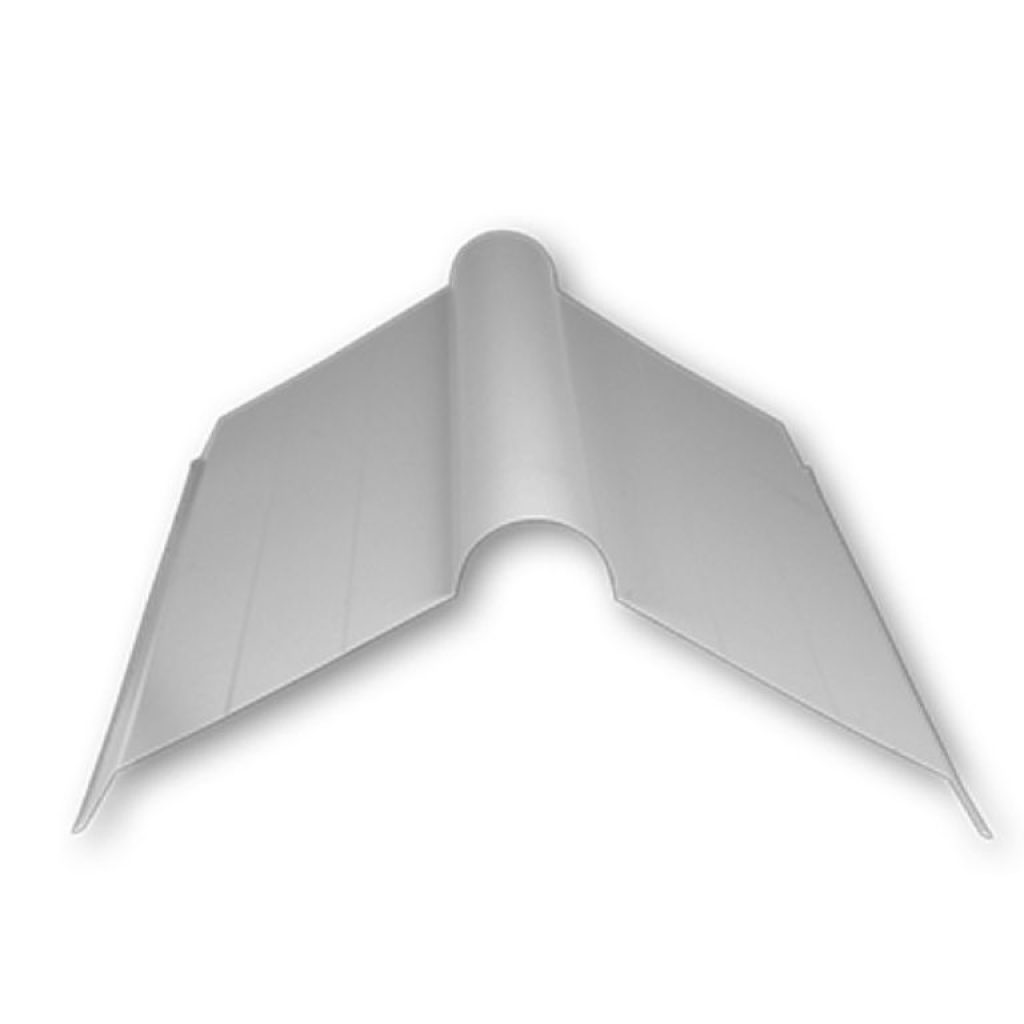
For more specialised roof edges, you may also want to explore gable roll options which help finish gable ends cleanly and add extra strength. If your design includes roof valleys, browse our valley flashing range for compatible profiles that integrate with Colorbond roofing sheets.
Tips for ordering and installation
Measuring correctly is essential when ordering flashings. Take accurate roof lengths, allow for overlaps, and confirm angles before you finalise your order. Choosing factory-cut lengths can save time and help ensure a secure fit. Many DIY renovators appreciate how straightforward installation can be with the right prep and accessories.
Once your flashings arrive, check the finish and colour match, particularly if your roof uses popular tones such as Monument or Surfmist. Pairing flashings with compatible Colorbond roofing and matching roof accessories gives a tidy, cohesive look across your home or outdoor structure.
Where flashings fit into your roofing system
Flashings work alongside ridge capping, guttering, and roof sheets to ensure your structure handles Australian weather conditions year round. For projects that require wall-to-roof transitions or open-edge coverage, you may prefer to explore barge flashing profiles for roof edges to finalise your product list.
With quick quoting, convenient delivery across Victoria, Queensland, and New South Wales, and Australian support, ordering your Colorbond Flashings online is simple. Combine flashings with matching Colorbond roofing materials and accessories for a durable and consistent finish. Let your chosen profiles tie your roofing project together while providing essential weather protection for years to come.
What are Colorbond flashings?
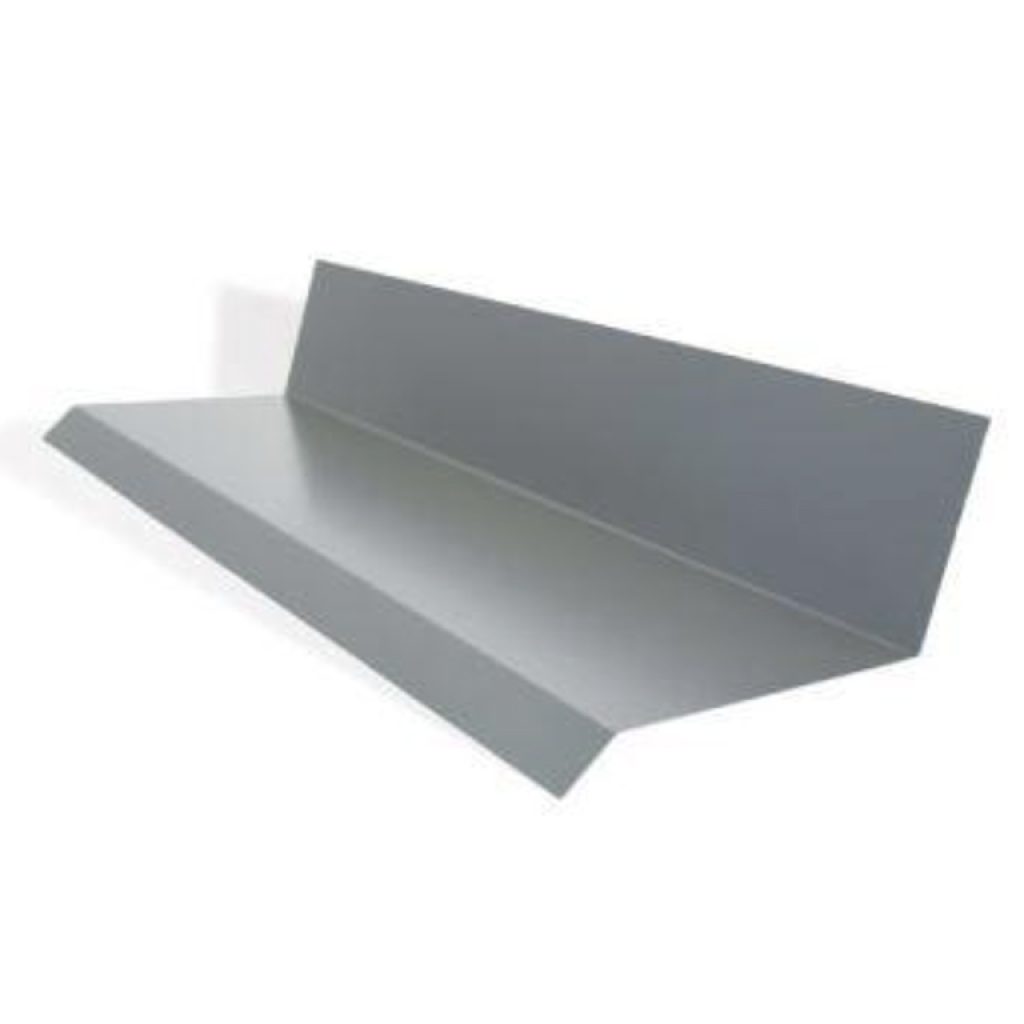
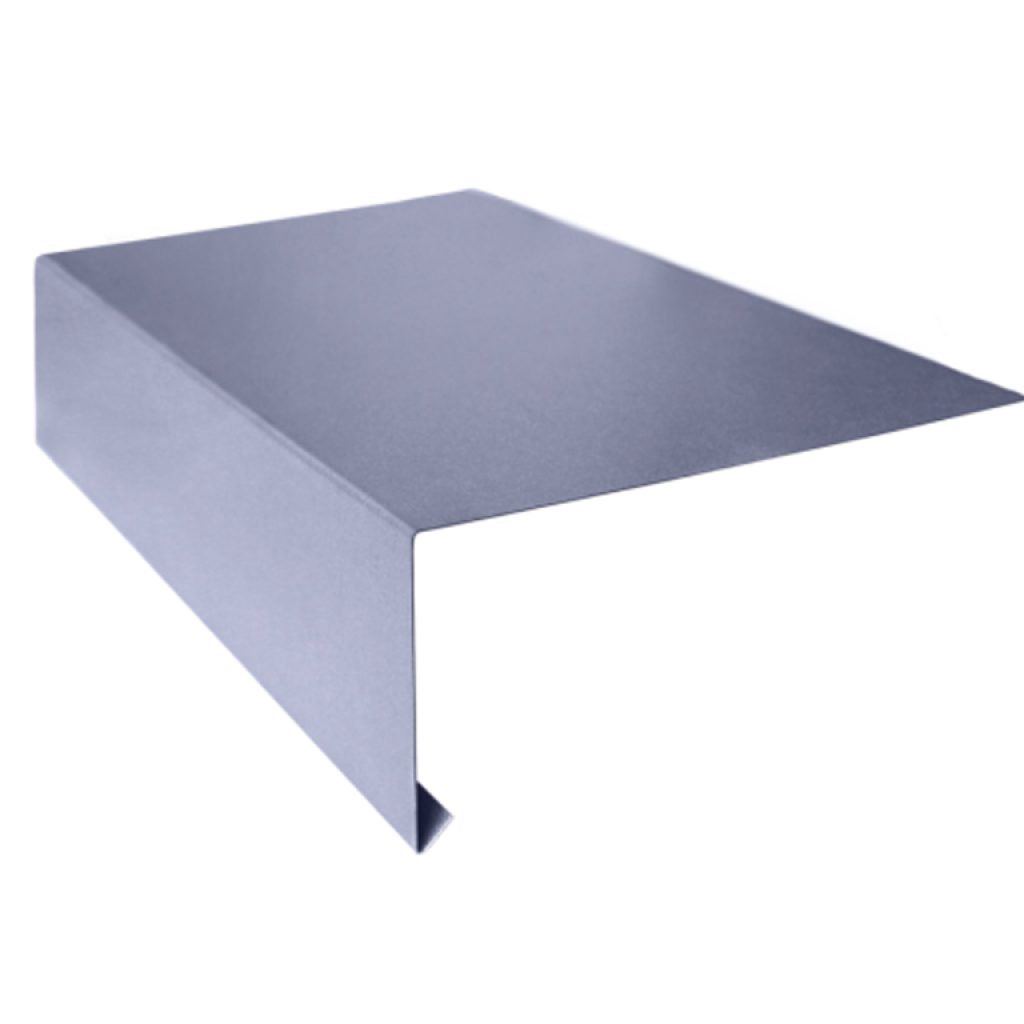
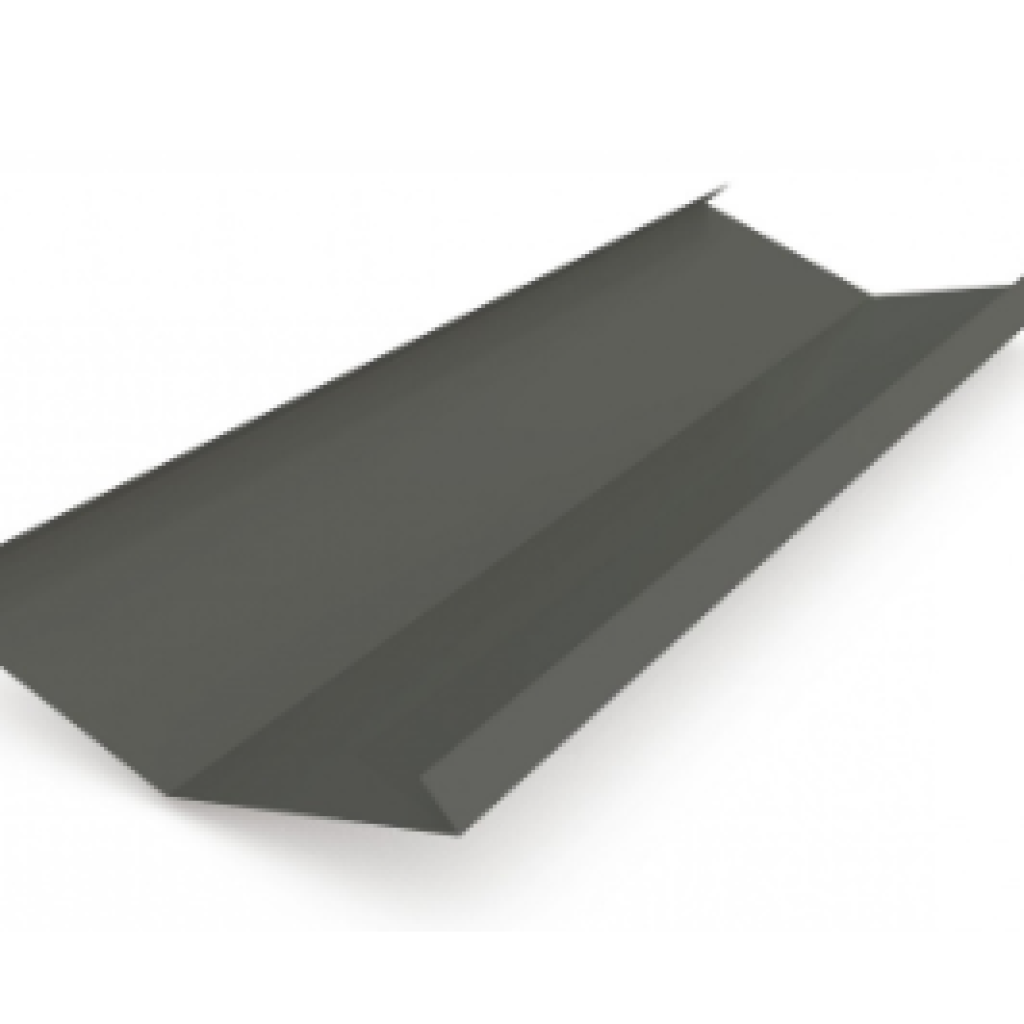
COLORBOND flashings are pre-folded steel strips used to seal roof and wall junctions where water could otherwise get in, such as at wall abutments, ridges, barges and valleys. ClickSteel’s range includes ColorBond Steel Apron Flashing for wall junctions, Colorbond steel Barge Flashing for gable edges, and ColorBond steel Ridge Flashing and ColorBond steel Valley Flashing for the roof’s high and low points. Each is also available in an uncoated Zincalume equivalent, such as Zincalume Barge Flashing, for jobs where a painted finish is not needed. Flashings are supplied cut to length or in stock lengths ready for your roofer to fit alongside the roof sheeting.What are the two types of flashing?
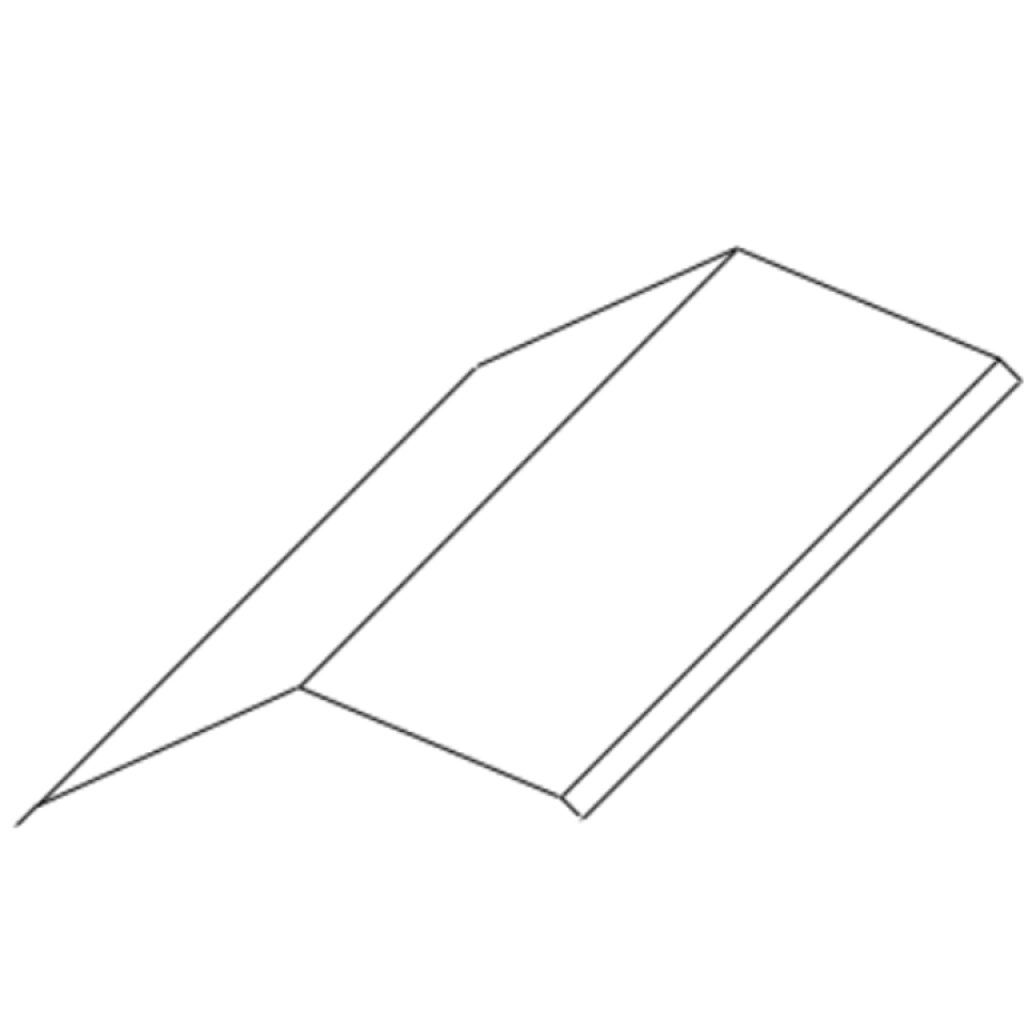
Roof flashings broadly split into junction flashings, which seal where the roof meets a wall or changes direction, and edge or trim flashings, which finish the roof’s outer edges and ridgeline. ColorBond Steel Apron Flashing, Colorbond steel Barge Flashing and ColorBond steel Valley Flashing are examples of the junction type, sealing wall abutments, gable edges and roof valleys respectively. ColorBond steel Ridge Flashing and products like the Colorbond steel 50MM Gable Roll fall into the edge and trim category, finishing the ridge line and gable edges. Most roofs need a combination of both types correctly detailed together to be fully weathertight.What thickness is Colorbond flashing?
Flashings such as ColorBond Steel Apron Flashing, Colorbond steel Barge Flashing and ColorBond steel Ridge Flashing are generally supplied in a standard base metal thickness common across the flashing range, with the exact current gauge listed on each product’s specification tab. Thicker flashing resists denting and holds its fold better on site, which matters for exposed edges like barges and ridges. Zincalume equivalents such as Zincalume Valley Flashing and Zincalume Ridge Flashing are typically supplied in the same thickness as their COLORBOND counterparts. Check the specification tab for the precise BMT of the product you are ordering.What are the standard flashing sizes?
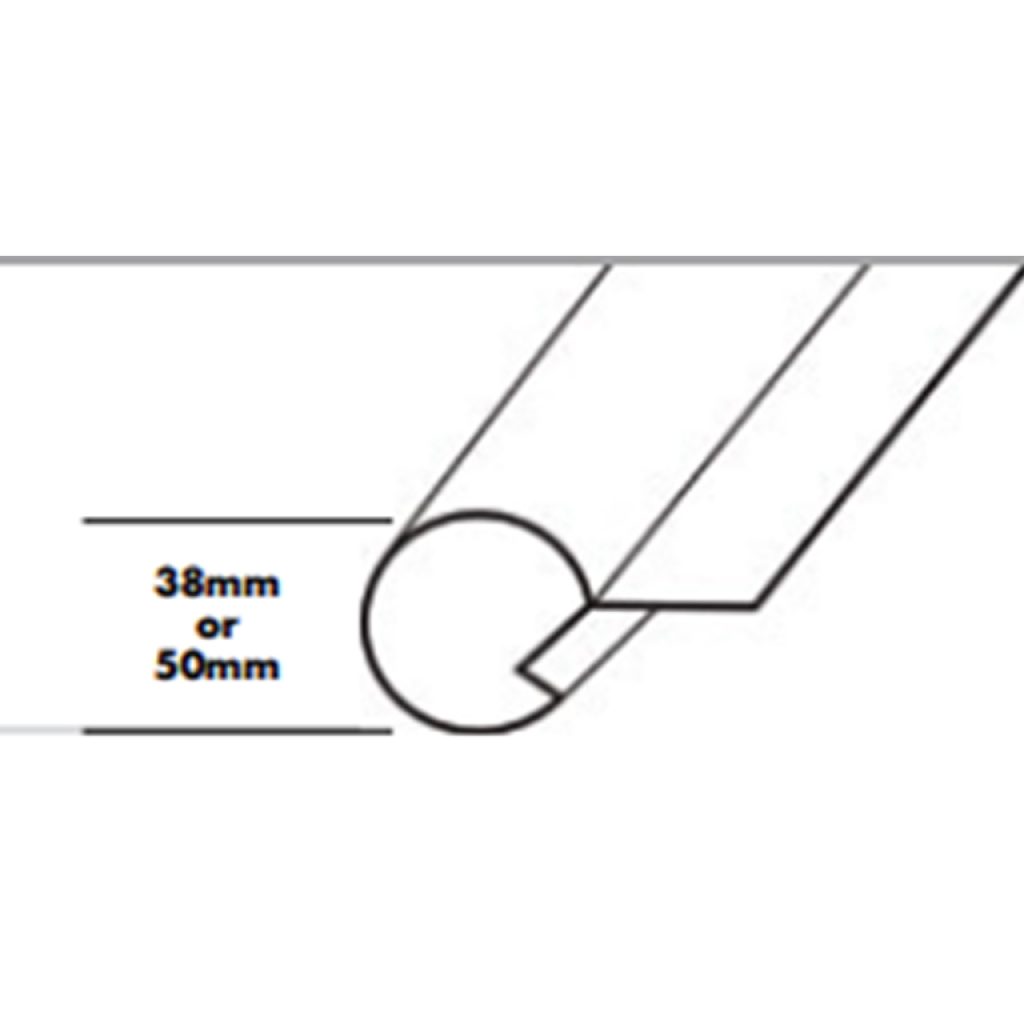
Girths and lengths vary by flashing type, and ClickSteel lists the current profile size for each on its product page, such as the COLORBOND steel 38MM Gable Roll | 2400MM, the ZINCALUME 38MM Gable Roll Stock Length 2.4m and the Colorbond steel 50MM Gable Roll. Apron, barge, ridge and valley flashings like ColorBond Steel Apron Flashing and ColorBond steel Valley Flashing are generally custom folded to the girth your job needs rather than sold in one fixed size. The COLORBOND steel .40 Roll Top Ridge is an example of a specific pre-formed ridge product with its own fixed dimensions. Check each product page for the current available girths and lengths before ordering.Can I install roof flashing myself?
A confident DIYer can sometimes fit simple, straightforward flashings such as a Colorbond steel 50MM Gable Roll on a small shed, but flashings at complex junctions, like ColorBond Steel Apron Flashing against a wall or ColorBond steel Valley Flashing in a roof valley, are easy to get wrong and hard to fix once the roof is closed up. Incorrect flashing is one of the most common causes of roof leaks, so getting the lap direction, fall and sealant right matters more than it might look. ClickSteel supplies the flashings as materials only, cut or formed to length, with fitting carried out by you or your licensed roofer. If you are at all unsure, it is worth having a roofer check or install junction flashings even if you are doing the rest of the job yourself.What are the Australian standards for roof flashings?
Roof flashings in Australia fall under AS 1562.1 for metal roof and wall cladding design, along with the weatherproofing provisions of the National Construction Code, which set out how junctions like walls, valleys and penetrations need to be flashed to stay watertight. ColorBond Steel Apron Flashing, ColorBond steel Valley Flashing and ColorBond steel Ridge Flashing are manufactured to meet the relevant product standards, but how they are detailed and lapped on your specific roof is what determines compliance on site. Requirements can vary depending on wind region, roof pitch and local conditions, so confirm the specific detailing required with your local council or building surveyor. Your roofer should also follow current manufacturer guidance for lap lengths and fixing at each flashing type.Does flashing go under or over roofing?
This depends on the flashing type and where it sits on the roof. ColorBond steel Valley Flashing generally goes underneath the roof sheeting, since the valley needs to catch and carry water below the sheet edges, while Colorbond steel Barge Flashing and ColorBond steel Ridge Flashing sit over the top of the sheeting at the gable edge and ridge line. ColorBond Steel Apron Flashing typically goes over the roof sheeting and up behind the wall cladding above it, directing water back onto the roof rather than behind the wall. Getting the lap direction right at each junction is critical to a watertight roof, so this detailing is best confirmed with your roofer if you are unsure.