





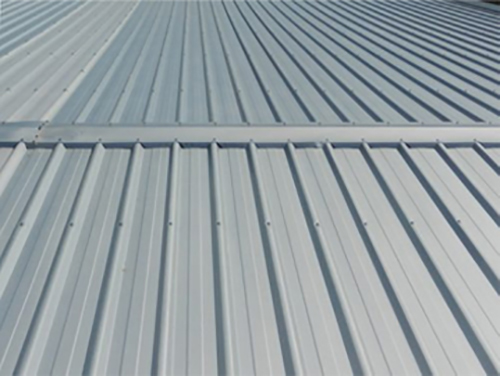
Minimum Roof Pitch: KLIP-LOK, TRIMDEK, Corrugated
September 22, 2025
Roof pitch is a critical factor in roofing performance. Selecting the correct minimum pitch for your roofing profile ensures proper drainage, compliance with manufacturer guidelines, and long-term durability. For profiles like KLIP-LOK®, TRIMDEK®, and corrugated steel, pitch specifications vary, and failing to follow them can lead to leaks, structural issues, or voided warranties.
This guide outlines the minimum pitch requirements for these popular roofing profiles and helps you choose the right one for your project.
Key Takeaways
- KLIP-LOK® requires a minimum pitch of 1°, making it suitable for low-slope designs.
- TRIMDEK® is best installed at a minimum pitch of 2°.
- Corrugated steel roofing needs a steeper minimum pitch of 5° to avoid water ingress.
- Always follow manufacturer pitch guidelines and local building codes to maintain performance and warranty.
Why Roof Pitch Matters
Roof pitch refers to the angle or slope of the roof, typically measured in degrees or as a ratio of vertical rise to horizontal run. The pitch determines how quickly water runs off the roof surface and affects:
- Water drainage: Low slopes may allow water to pool, increasing the risk of leaks or corrosion.
- Product suitability: Most steel profiles have minimum pitch requirements to function correctly.
- Compliance and warranty: Manufacturers often state minimum pitch in their installation guidelines. Non-compliance can void warranties.
- Aesthetic and design flexibility: Lower pitches suit modern, minimalist architecture, while steeper slopes lend themselves to traditional or regional designs.
Minimum Roof Pitch by Profile
KLIP-LOK®: For Low-Pitch Roofs
Minimum roof pitch: 1° (1 in 50)
KLIP-LOK® is a concealed-fix roofing profile that is engineered for low-pitch applications. It is commonly used in commercial buildings and contemporary residential projects due to its clean, flat appearance and watertight design.
For projects where thermal performance is also a concern, KLIP-LOK® can be paired with SolarSpan® insulated sheeting, offering both low-pitch compatibility and energy efficiency.
TRIMDEK®: Suitable for Medium Pitches
Minimum roof pitch: 2° (1 in 30)
TRIMDEK® features a trapezoidal rib profile designed for strength and visual appeal. It suits residential and light commercial roofing, as well as wall cladding applications.
TRIMDEK®’s versatility makes it ideal for patio and carport structures, particularly when a slightly steeper pitch is acceptable. ClickSteel’s patio and carport kits commonly incorporate this profile due to its durability and ease of installation.
Corrugated Steel: Best for Traditional Rooflines
Minimum roof pitch: 5° (1 in 12)
Corrugated roofing is one of the most recognisable and widely used profiles in Australian architecture. Its curved profile provides strength and flexibility but requires a steeper pitch to ensure effective water drainage.
For those seeking a traditional look with proven performance, COLORBOND® steel Corodek® roof sheeting offers the classic corrugated form in modern finishes and colours.
Roof Pitch and Application Fit
Choosing the right profile involves more than aesthetics. It also depends on your project type, roof shape, and drainage needs.
| Application | Recommended Profile | Reason |
|---|---|---|
| Flat or skillion roof | KLIP-LOK® | Performs at low pitches |
| Patio or veranda | TRIMDEK® | Moderate pitch allows better water flow |
| Shed or rural residence | Corrugated | High pitch supports traditional roof shapes |
If your structure has limitations on roof height, such as in suburban areas with building height restrictions, choosing a low-pitch-compatible product like KLIP-LOK® is especially beneficial.
Installation and Compliance Considerations
Before selecting your roofing material, always confirm pitch compatibility with:
- Local building codes: Councils may specify minimum pitches based on climate and rainfall intensity.
- Manufacturer guidelines: These detail minimum pitches and installation techniques.
- Drainage planning: Ensure roof pitch aligns with the design of your rainwater and guttering systems, especially for low-pitch roofs.
- Matching profiles with cladding: To create a unified look, consider using COLORBOND® steel wall cladding that complements your chosen roof profile.
Common Mistakes to Avoid
- Underestimating minimum pitch: Installing roofing at too shallow a pitch may lead to water ingress or pooling.
- Combining incompatible profiles: Different pitches can complicate water runoff and create junction issues.
- Ignoring wind load factors: Lower-pitch roofs may be more susceptible to uplift. Always confirm wind ratings for your chosen product.
- Using unsuitable insulation: For low-slope roofs, insulation needs to match the profile. Corrugated insulated panels are one option for increasing performance without sacrificing profile integrity.
FAQs
What is the lowest roof pitch allowed in Australia?
Most manufacturers allow a minimum pitch of 1° for concealed-fix profiles like KLIP-LOK®. However, building codes and site-specific conditions may require a steeper slope.
Can I use corrugated roofing on a low-pitch roof?
No. Corrugated steel roofing requires a minimum pitch of 5°. Using it below this threshold increases the risk of leaks.
Why do different profiles require different pitches?
It comes down to water-carrying capacity and seam design. Concealed-fix systems like KLIP-LOK® have better sealing performance, allowing for shallower pitches.
Is there a way to reduce required pitch while keeping a traditional look?
You could explore insulated or hybrid panel systems. For example, corrugated insulated panels offer enhanced performance and may allow slightly lower pitches in specific designs.
Conclusion
Understanding minimum roof pitch requirements is essential to selecting the right roofing profile for your build. KLIP-LOK®, TRIMDEK®, and corrugated steel each serve different purposes, but all rely on correct installation at the appropriate slope to ensure water management, durability and compliance.
To explore your options and ensure the best performance from your roofing system, view the full range of COLORBOND® steel roofing products.