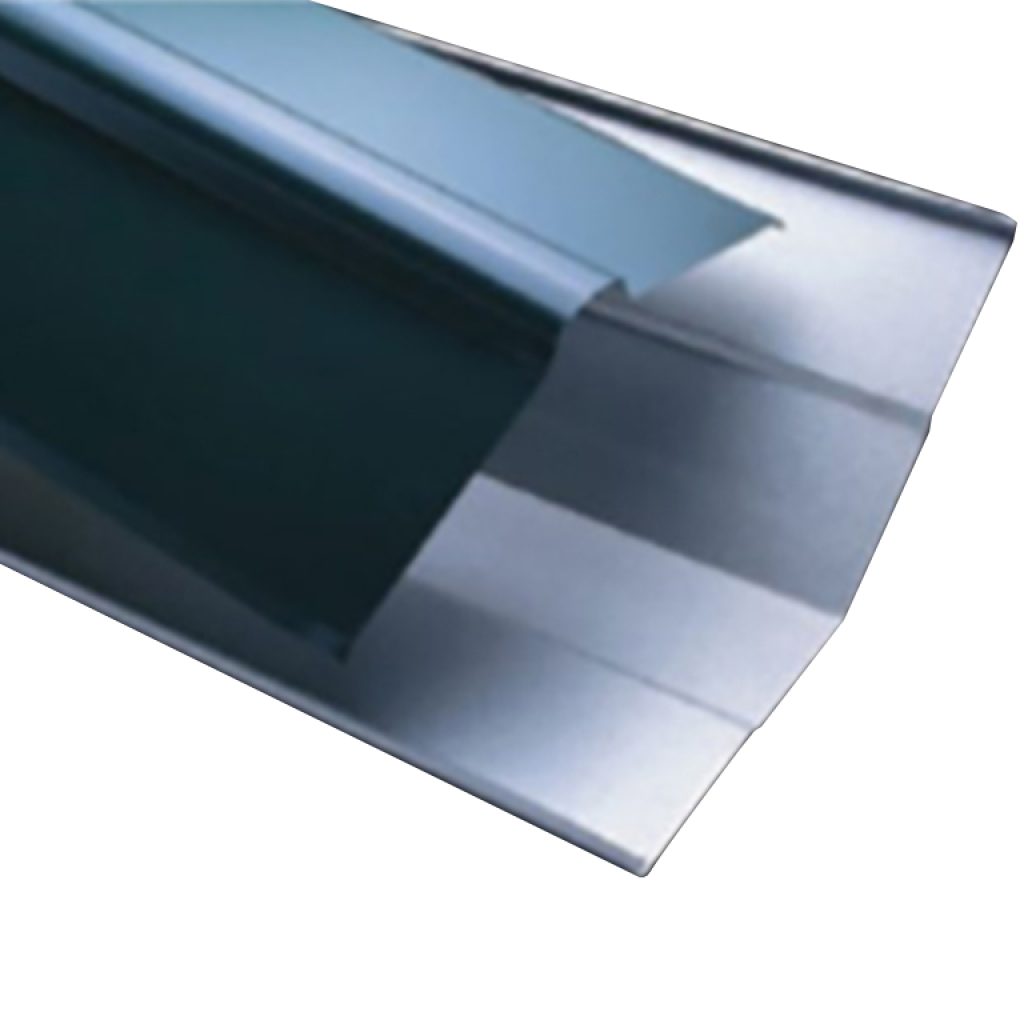
What is ridge capping?
Ridge capping is the folded steel flashing that covers the apex of a roof where two roof planes meet, sealing that joint against wind-driven rain while giving the roofline a finished edge. It’s shaped to match the pitch of the roof and is fixed down each side into the top course of roof sheeting. ClickSteel’s Ridge & Barge Capping category carries folded COLORBOND steel and ZINCALUME steel flashing profiles supplied cut to length and girth, so check current stock for the specific ridge profile your roof needs. Getting the girth and fold angle right for your roof pitch is what makes ridge capping sit flush and shed water properly.What is barge capping?
Barge capping is the flashing fitted along the raking or gable edge of a roof, where the roof sheeting meets open air rather than another roof plane, covering the exposed edge of the sheet and framing. It stops wind-driven rain getting up under the last sheet and gives the gable end a clean, finished line. Barge capping is folded to the roof pitch in the same way as ridge capping, just applied to a different part of the roof. ClickSteel’s Ridge & Barge Capping range carries COLORBOND steel and ZINCALUME steel folded profiles supplied to length and girth for this kind of detail.What is the difference between flashing and capping?
Flashing is the general term for any sheet metal fitted to seal a junction on a roof, wall or penetration against water, while capping is a specific type of flashing that sits over and covers a ridge, hip or barge edge. In other words, every capping is a flashing, but not every flashing is a capping, since flashing also covers valleys, aprons and step details around walls and penetrations. ClickSteel’s Ridge & Barge Capping range is one category of flashing product, cut and folded specifically to cover the ridge and gable edges of a roof. The right term to use just depends on which part of the roof the metal is protecting.What is the purpose of barge capping on a roof?
Barge capping protects the exposed edge of the roof sheeting and the framing underneath it along a gable end, stopping wind-driven rain from getting up under the last sheet. It also covers and neatens the cut edge of the sheeting, giving the roofline a straight, finished appearance from the ground. Without it, the exposed edge is vulnerable to water ingress and looks unfinished. It’s a standard fitting on any gable-ended COLORBOND steel or ZINCALUME steel roof.How long should ridge capping last?
Ridge capping made from COLORBOND steel or ZINCALUME steel typically matches the working life of the roof sheeting it’s fitted to, which is commonly rated at several decades under normal Australian conditions when properly maintained. Its actual lifespan depends on the local environment, with coastal and industrial areas placing more corrosive load on any exposed metal, ridge capping included. Keeping fixings tight, seals intact and gutters clear of debris that could pond against the capping all extend its working life. If capping is failing well short of the roof’s expected life, it’s usually a sign of a fixing, sealing or coastal corrosion issue worth investigating.How far do you overlap a ridge cap?
Ridge capping sections are typically overlapped by around 100mm to 150mm at each join, though the exact figure depends on the manufacturer’s specification and the wind exposure of the site. The overlap should run in the direction of the prevailing weather so water sheds over the join rather than into it. Check the specific overlap and fixing pattern recommended for the ridge capping profile you’ve ordered, since girth and fold shape affect how the laps sit. Getting the lap direction wrong is a common and easily avoidable fault on an otherwise good roof.Does a ridge cap need to be sealed?
Yes, ridge capping is generally fitted over a foam or rubber ridge roll and sealed at the laps and end caps to stop wind-driven rain and dust getting underneath it. The seal also helps prevent condensation drip-back into the roof space at the highest point of the roof. Sealant compatible with COLORBOND steel or ZINCALUME steel finishes should be used so it doesn’t stain or react with the coating. Skipping the seal is one of the more common causes of a leak that shows up well after the roof was fitted.